
 English
 简体中文
简体中文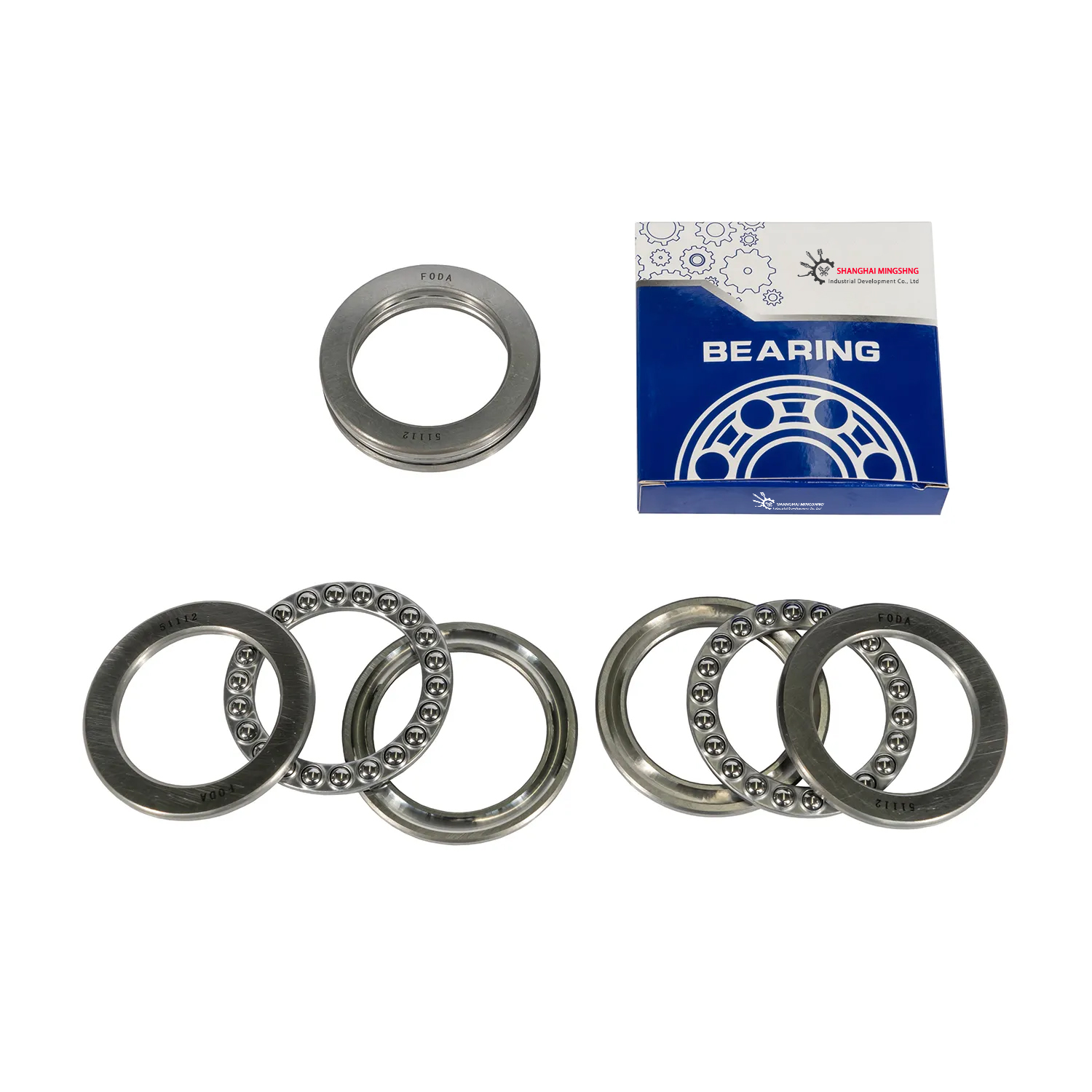


 Classification

1. One-way thrust ball bearing: can only withstand the axial load in one direction.
2. Two-way thrust ball bearing: can withstand the axial load in two directions.
Basic Parameters
1. Inner diameter, outer diameter and height: determine the mounting size of the bearing.
2. Rated dynamic load and rated static load: characterizes the bearing capacity.
3. Limit speed: the highest speed at which the bearing can operate safely.
The Working Principle
When the thrust ball bearing is working, the shaft ring is matched with the shaft, and the seat ring is matched with the frame. When the shaft is subjected to axial force, the steel ball rolls between the shaft ring and the seat ring, transmitting the axial force, so as to achieve axial positioning and support.
Application Fields
1. Automotive field: Used in automotive transmission, differential and other parts to withstand axial force.
2. Machine tool industry: in the machine tool spindle, lead screw and other parts, to ensure the axial accuracy and bearing capacity.
3. Heavy machinery: such as cranes, excavators, etc., used to withstand large axial loads.
4. Hydraulic engineering: water turbine and other equipment, used to withstand axial water pressure.
5. Motor field: used in some motors that require axial positioning.



3 reviews for Thrust Ball Bearing
There are no reviews yet.